
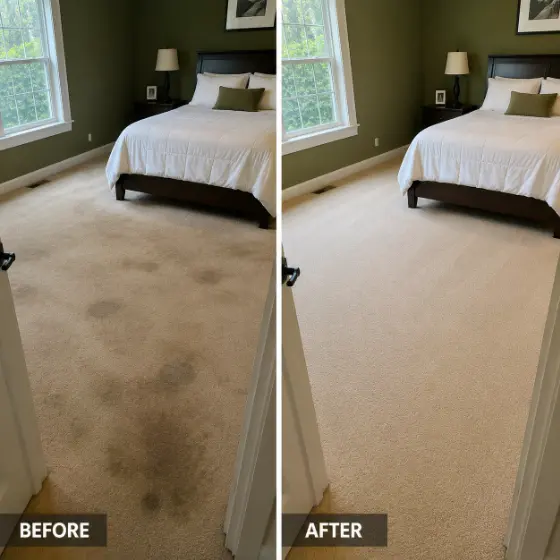
The five clearest signs your Hanover Park grout needs professional cleaning now are dark discoloration, stains that quickly return, unpleasant odors, visible buildup around grout lines, and grout that still looks dirty after regular mopping. Professional grout cleaning reaches embedded soil that household cleaning methods often leave behind, helping tile surfaces look cleaner, brighter, and better maintained.
Grout is one of the most difficult surfaces to keep clean. Because it is porous, it can absorb dirt, spills, moisture, soap residue, and particles from everyday foot traffic. Even when tile is mopped regularly, grout lines may slowly become darker and more noticeable.
This problem can occur in residential kitchens, bathrooms, entryways, hallways, laundry rooms, and commercial spaces. Over time, dirty grout can affect the appearance of an entire floor. The tile may still be in good condition, but stained grout lines can make the surface look old, neglected, or unhygienic.
Understanding the 5 signs your Hanover Park grout needs professional cleaning now can help you address buildup before it becomes more difficult to manage.
Why Grout Becomes Dirty So Quickly
Tile is usually smooth and relatively easy to wipe. Grout, however, has a rougher and more absorbent surface. As a result, dirt settles into its small pores and low areas.
Several factors can make grout look dirty:
- Foot traffic
- Cooking grease
- Soap residue
- Hard-water deposits
- Moisture
- Pet accidents
- Food and drink spills
- Improper cleaning products
- Dirty mop water
- Delayed spill cleanup
In addition, some household cleaning methods move dirt across the tile without fully extracting it from the grout. A mop may remove loose surface debris while leaving darker material embedded below the surface.
Professional cleaning equipment is designed to loosen and extract this buildup more thoroughly.
Sign 1: Your Grout Has Become Dark or Unevenly Discolored
One of the most obvious warning signs is a visible change in grout color.
Light-colored grout may turn gray, brown, or nearly black. Meanwhile, darker grout may develop uneven patches or dull areas. You may also notice that grout near walls remains closer to its original color while grout in walking paths appears much darker.
This contrast often shows how much dirt has accumulated.
Discoloration can develop gradually, which means property owners may not notice it immediately. However, moving a rug, appliance, storage container, or piece of furniture may reveal the original grout color underneath.
At that point, the difference can be dramatic.
Regular sweeping and mopping may slow the buildup, but they may not remove embedded soil. Furthermore, using harsh chemicals repeatedly can sometimes leave residue or affect the grout’s appearance.
Professional grout cleaning can help restore a more consistent color by targeting deeply trapped dirt. Results depend on the grout’s age, condition, staining, and previous treatments, but professional service is usually more effective than repeated surface mopping.
Sign 2: Grout Stains Return Soon After You Clean Them
Another important sign is recurring discoloration.
You may scrub the grout and notice an improvement, only to see the stains return within several days. This can happen when cleaning removes surface dirt but does not fully extract the material inside the grout.
It may also occur when cleaning-product residue is left behind. Sticky residue can attract new soil, causing the grout to become dirty again more quickly.
Repeated staining is especially common in:
- Kitchen floors
- Restaurant preparation areas
- Bathroom tile
- Entryways
- Mudrooms
- Retail flooring
- Office break rooms
- High-traffic hallways
In these situations, professional cleaning may be needed to reset the surface.
A trained floor-care provider can evaluate the tile and grout, choose an appropriate cleaning process, and remove loosened soil rather than spreading it around the floor.
This is similar to the difference between routine vacuuming and deep carpet cleaning. Vacuuming is essential for maintenance, but it does not remove every material trapped below the carpet surface. Likewise, mopping is useful for tile maintenance, but it may not fully clean porous grout.
Sign 3: The Room Has an Unpleasant or Musty Odor
Dirty grout does not always announce itself visually. Sometimes, odor is the first sign of a deeper cleaning problem.
Grout may absorb moisture, spills, grease, pet accidents, or organic residue. When that material remains trapped, the surrounding area may develop a stale or unpleasant smell.
This may be particularly noticeable in:
- Bathrooms
- Kitchens
- Basements
- Laundry areas
- Pet spaces
- Commercial restrooms
- Food-service environments
Before assuming the odor comes from grout, it is important to rule out plumbing leaks, drainage issues, hidden moisture, and ventilation problems. Persistent odors may indicate a building-maintenance concern that requires a plumber, restoration professional, or other qualified contractor.
However, when the smell appears to come from a heavily soiled tile floor, professional grout cleaning may improve the condition.
The cleaning process can remove odor-producing residue that routine surface cleaning leaves behind. Nevertheless, professional cleaning cannot correct an active leak or ongoing moisture problem. The underlying cause should be addressed first.
Sign 4: You Notice Visible Buildup Along Grout Lines
Grout lines should not feel sticky, greasy, fuzzy, or heavily textured from accumulated residue.
Visible buildup may appear as:
- Dark edges
- Greasy films
- Soap deposits
- White mineral residue
- Food particles
- Hair and lint
- Sticky spots
- Black or greenish surface marks
Bathrooms may develop soap and mineral buildup, while kitchens often collect grease and food residue. Entryways can accumulate outdoor soil, road residue, moisture, and debris.
Commercial properties face additional challenges because hundreds of people may walk over the same surfaces each day. Consequently, the grout may become dirty faster than it would in a typical home.
If the buildup cannot be removed through ordinary maintenance, professional cleaning is appropriate.
It is also important to distinguish ordinary soil from possible mold growth. A cleaning company may remove surface buildup, but extensive or recurring mold-like growth can indicate moisture intrusion. Property owners should investigate leaks, humidity, and ventilation concerns instead of relying only on cleaning.
Sign 5: Your Tile Still Looks Dirty After Mopping
Many property owners assume the tile is worn out when the real problem is the grout.
You may mop the floor carefully, allow it to dry, and still feel that the room looks dull. The tile itself may be clean, but dark grout lines create a grid-like pattern that makes the entire surface look dirty.
This is especially noticeable when the grout color no longer complements the tile.
For example, white or beige tile may appear much older when surrounded by dark brown grout lines. Similarly, commercial tile can lose its polished appearance when traffic lanes become visibly discolored.
Professional grout cleaning may create a noticeable improvement without replacing the floor.
Before considering expensive tile replacement, it is often sensible to have the surface professionally evaluated. In many cases, the tile remains durable and functional, while the grout simply needs deeper cleaning.
Why Household Grout Cleaning May Not Be Enough
Home cleaning methods can be useful for maintenance, but they have limitations.
Small brushes, steam devices, baking soda mixtures, and store-bought products may remove some surface soil. However, the process can require significant time and physical effort, especially across large floor areas.
There is also a risk of using the wrong product.
Highly acidic or abrasive cleaners can affect certain grout, tile, stone, or surrounding finishes. In addition, excessive water may create longer drying times or contribute to moisture concerns in damaged grout.
Professional cleaners consider several factors before beginning:
- Tile material
- Grout condition
- Type of buildup
- Previous sealants
- Stain severity
- Floor age
- Surrounding surfaces
- Ventilation and drying conditions
This evaluation helps determine whether cleaning is suitable and what results are realistic.
How Professional Grout Cleaning Works
The exact process varies by company, equipment, and floor condition. However, professional grout cleaning generally includes several stages.
First, the floor is inspected for cracks, loose tiles, missing grout, heavy stains, sealant, and areas that may require special attention.
Next, loose debris is removed. A suitable cleaning solution may then be applied to loosen embedded dirt and residue.
The grout lines are agitated or treated as needed. Professional extraction equipment is then used to remove the loosened material and cleaning solution from the floor.
Finally, the surface is reviewed for remaining spots and allowed to dry.
Some grout stains may be permanent, particularly if they involve dye, chemical damage, age-related discoloration, or deterioration. Therefore, a reputable provider should explain likely outcomes rather than promise that every stain will disappear.
The Connection Between Grout Cleaning and Carpet Care
Although grout cleaning and carpet cleaning involve different surfaces, they solve a similar problem: deeply embedded soil.
Carpet fibers can trap dust, oils, spills, and stains. Grout can trap many of the same materials in its pores. Routine vacuuming and mopping are both necessary, but periodic professional care may still be required.
For example, carpet stain removal targets specific spots that normal vacuuming cannot address. Likewise, grout cleaning targets stained or discolored lines that routine mopping cannot restore.
Properties with both carpet and tile may benefit from a coordinated floor-care plan. Entryways, hallways, offices, waiting rooms, and common areas often contain several flooring types. Cleaning these surfaces together can create a more consistent appearance.
Grout Cleaning for Hanover Park Businesses
Commercial properties often experience faster grout discoloration because of increased foot traffic.
Restaurants, offices, retail stores, apartment buildings, medical offices, salons, and other facilities may need more frequent floor maintenance than residential properties.
Professional grout cleaning can help businesses maintain:
- Cleaner customer areas
- More presentable restrooms
- Better-looking entryways
- Improved break-room floors
- Consistent flooring appearance
- A more professional environment
Businesses that already schedule commercial carpet cleaning should also inspect nearby tile and grout. Cleaning carpet while ignoring heavily soiled grout can leave the property looking only partially maintained.
A professional floor-care provider can help determine which surfaces need routine cleaning, spot treatment, or periodic deep service.
How Often Should Grout Be Professionally Cleaned?
There is no universal cleaning schedule.
The appropriate frequency depends on traffic, grout color, room use, moisture exposure, cleaning habits, and whether the grout has been sealed.
A lightly used guest bathroom may need professional cleaning less often than a busy kitchen or commercial restroom. Similarly, a household with children or pets may notice buildup sooner than a low-traffic property.
Instead of following a fixed schedule, monitor the grout for the five warning signs discussed in this guide.
Schedule professional cleaning when:
- The original grout color is no longer visible
- Stains repeatedly return
- Mopping no longer improves the appearance
- Buildup is visible
- Odors remain after normal cleaning
- High-traffic lanes look noticeably darker
How to Keep Grout Cleaner After Professional Service
Professional cleaning can improve grout, but ongoing maintenance is still necessary.
Start by sweeping or vacuuming hard floors regularly. Loose grit can spread across the surface and settle into grout lines.
Next, clean spills promptly. Grease, beverages, food, and pet accidents become more difficult to remove when they are allowed to dry.
Use clean mop water and change it when it becomes cloudy. Otherwise, dirty water may redeposit soil into the grout.
Avoid applying excessive cleaning product. More detergent does not always create a cleaner floor. In fact, leftover residue may attract dirt.
Finally, ask a professional whether grout sealing is appropriate for your surface. Sealing may help reduce absorption, but it does not make grout maintenance-free. It also may not be suitable in every situation.
About Leo Floor Care & Restoration LLC
Leo Floor Care & Restoration LLC provides professional carpet and floor-care services for property owners in Schaumburg, Hanover Park, and nearby Illinois communities. The company helps residential and commercial clients maintain carpet, tile, grout, and other flooring surfaces through detailed cleaning and restoration-focused service.
Property owners can contact Leo Floor Care & Restoration LLC when ordinary mopping, vacuuming, or spot treatment no longer delivers satisfactory results.
Our services are suitable for homes, offices, rental properties, retail spaces, common areas, and other locations that need cleaner and better-maintained floors.
Depending on the property’s needs, customers may request assistance with:
- Tile and grout cleaning
- Residential carpet cleaning
- Deep carpet cleaning
- Commercial carpet cleaning
- Carpet stain removal
- Floor-care maintenance
- Cleaning for high-traffic areas
We understand that every surface has a different condition. Therefore, we inspect the problem, explain the recommended process, and set realistic expectations before service begins.
For homeowners and businesses seeking professional grout or carpet cleaning service in Schaumburg, Hanover Park, and nearby areas, Leo Floor Care & Restoration LLC offers practical floor-care solutions designed around the property’s needs.
Conclusion
The 5 signs your Hanover Park grout needs professional cleaning now include dark discoloration, stains that return quickly, unpleasant odors, visible buildup, and tile that still looks dirty after mopping.
These warning signs usually indicate that dirt and residue have settled deeper than routine cleaning can reach.
Professional grout cleaning can improve the appearance of tile floors, remove embedded buildup, and make residential or commercial spaces look better maintained. Furthermore, combining grout care with deep carpet cleaning or commercial carpet cleaning can produce a more complete improvement throughout the property.
When your flooring needs more than ordinary maintenance, contact Leo Floor Care & Restoration LLC for professional carpet, tile, and grout cleaning in Schaumburg, Hanover Park, and nearby areas.
Frequently Asked Questions
1. How can I tell whether my grout is dirty or permanently stained?
Compare high-traffic grout with grout under furniture or near walls. A large color difference usually indicates embedded dirt, although some older stains may be permanent.
2. Can professional grout cleaning restore the original color?
Professional cleaning can often improve grout color significantly, but results depend on age, damage, staining, and previous chemical treatments.
3. Why does my grout become dirty again after mopping?
Dirty mop water, cleaning-product residue, porous grout, and embedded soil can cause discoloration to return quickly.
4. Is grout cleaning safe for every type of tile?
The correct method depends on the tile and grout material. A professional should inspect natural stone, damaged grout, sealants, and specialty flooring before cleaning.
5. Does Leo Floor Care & Restoration LLC serve Hanover Park?
Yes. Leo Floor Care & Restoration LLC provides professional floor and carpet cleaning services in Schaumburg, Hanover Park, and nearby areas, subject to scheduling and service availability.
Contact Us for Your Carpet cleaning service Schaumburg
Company Name: Leo Floor Care & Restoration LLC
Address: Schaumburg & Nearby Areas
Phone: +1 773-663-9943
Website: Click Here
Google Business Profile